
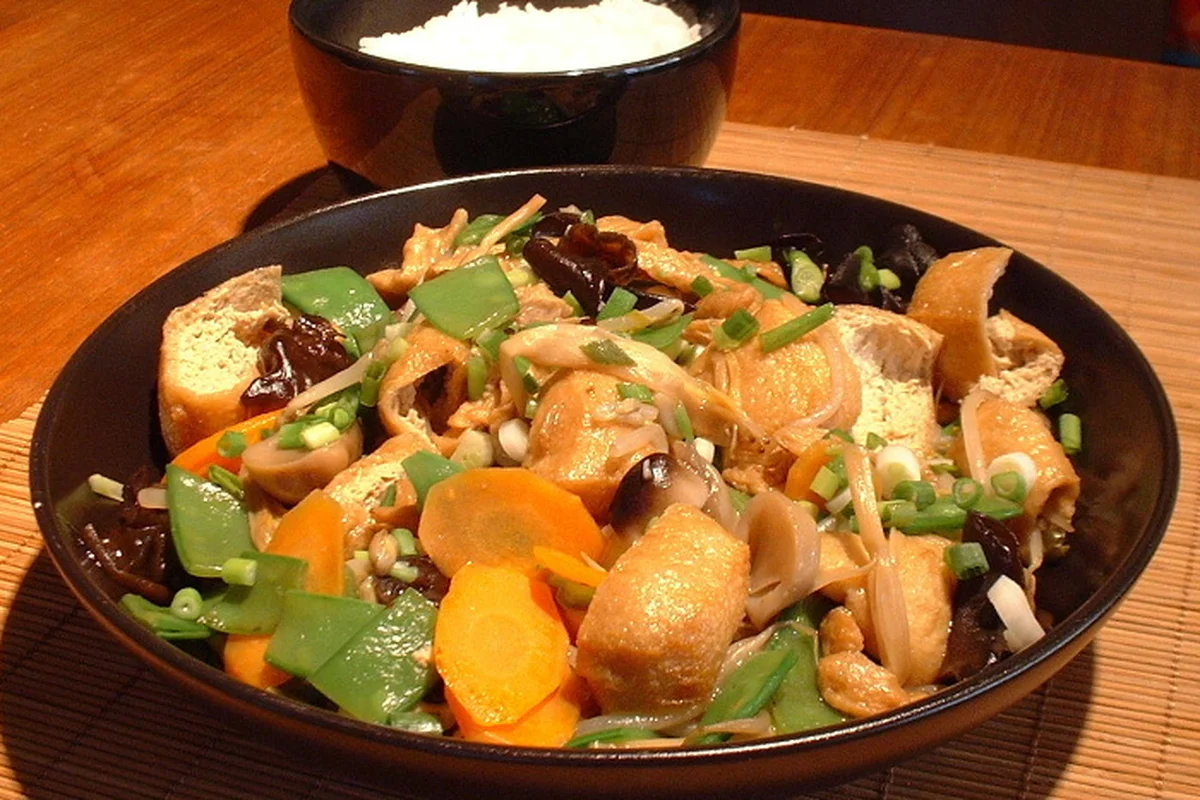
Eat Safely in China Without Food Anxiety
Chinese cuisine is celebrated as one of the richest gastronomic traditions on earth. However, for travelers with severe peanut allergies, celiac disease, or strict vegan diets, dining in a Chinese restaurant can feel like navigating an invisible minefield. Here are the exact culinary facts and medical-grade bilingual chef cards you need to stay safe.
In Western restaurants, food allergy awareness and dietary preferences are standard industry protocols. Menus mark gluten-free items, waiters routinely inquire about allergies, and separate fryers are dedicated to allergen-free preparation.
In mainstream Chinese restaurants, this cultural framework simply does not exist.
If you politely ask a waiter in Guilin, “Is this dish vegetarian?” they will almost certainly answer, “Yes, it’s just vegetables!”
What they fail to mention—because to them, it does not count as “meat”—is that the vegetables were flash-fried in fragrant pork lard (猪油), seasoned with a spoonful of chicken bouillon extract (鸡精), and drizzled with oyster sauce (蚝油).
Similarly, if you mention you have a peanut allergy, a server may assume you only mean whole peanuts, completely unaware that the chef just dumped two ladles of 100% peanut oil (花生油) into the roaring wok.
To eat safely in China with dietary restrictions, you cannot rely on casual verbal questions. You must use clear, authoritative, high-contrast written communication that explains the medical gravity of your condition directly to the kitchen.
1. Challenge #1: Severe Peanut & Tree Nut Anaphylaxis
Southern China—specifically Guangxi, Guangdong, and Hunan—is renowned for using peanut oil (huāshēngyóu 花生油) as the primary cooking oil due to its high smoke point and rich aroma.
- • Cooking Oil: 100% refined or cold-pressed peanut oil (花生油).
- • Garnishes: Crushed peanuts over Guilin noodles, cold tofu & cucumber salads.
- • Sauces: Peanut paste mixed into hot pot sesame dipping sauce.
- • Pastries: Mooncakes and sticky rice cakes stuffed with chopped nuts.
NEVER just say “No peanuts” (不要花生). Staff may simply scrape the nuts off the surface before serving!
You MUST declare: “Eating this causes fatal shock” (误食会引起致命休克) to ensure cookware is cleaned.
Essential Safety Checklist for Nut Allergies
- Always carry 2 EpiPens (Auto-injectors): Keep them in your daypack with an English doctor’s prescription note. EpiPens are difficult to purchase quickly in ordinary Chinese retail pharmacies.
- Request Soybean or Corn Oil: Say: “Qǐng yòng dàdòuyóu huòzhě yùmǐyóu” (请用大豆油或者玉米油 - Please use soybean or corn oil).
- Beware of Hot Pot Sauces: At buffet sauce bars in hot pot restaurants (like Haidilao), peanut dipping sauce (花生酱) is often placed right next to pure sesame paste (芝麻酱) with shared serving spoons. Ask the manager to bring you a fresh, untouched bowl of pure sesame paste from the kitchen.
2. Challenge #2: Vegan & Strict Vegetarian Dining
In Chinese Buddhism, vegetarianism (素食 Sùshí) is deeply revered. However, in secular street restaurants and neighborhood bistros, “eating vegetarian” (吃素 chīsù) usually just means you don’t want visible slices of meat.
| Hidden Non-Vegan Ingredient | Chinese Name & Pinyin | Commonly Found In |
|---|---|---|
| Pork Lard | 猪油 (Zhūyóu) | Used to fry green leafy vegetables, noodles, and traditional pastries for enhanced aroma. |
| Chicken Bouillon Powder | 鸡精 / 鸡粉 (Jījīng) | Added to 90% of vegetable stir-fries, noodle broths, and tofu dishes as a seasoning salt. |
| Oyster Sauce | 蚝油 (Hàoyóu) | Standard glossy brown glaze on Chinese broccoli (芥兰), mushrooms, and braised tofu. |
| Dried Shrimp / Fish Sauce | 虾米 / 鱼露 (Xiāmǐ / Yúlù) | Added to vegetable soups, steamed egg dishes, and fermented vegetable seasonings. |
| Bone Broth / Meat Gravy | 骨头汤 / 卤水 (Gǔtóutāng / Lǔshuǐ) | The soup base of all noodle bowls, including authentic Guilin Rice Noodles (桂林米粉). |
Safe Naturally-Vegan Dishes to Order Anywhere
When dining in standard local Chinese restaurants, memorize these reliable, naturally vegan dishes:
- Qīngchǎo Shíshū (清炒时蔬): Flash-fried seasonal greens (morning glory / 空心菜, bok choy / 小白菜) with garlic and vegetable oil. Specify: “Qǐng fàng zhíwùyóu, bú yào jījīng” (请放植物油,不要鸡精 - Please use vegetable oil, no chicken powder).
- Pāi Huángguā (拍黄瓜): Chilled smashed cucumber salad dressed with raw garlic, black vinegar, sesame oil, and fresh chili.
- Mápó Dòufu (麻婆豆腐 - VEGAN VERSION): Traditional Mapo Tofu is cooked with minced beef or pork! You MUST state: “Bú yào ròumò” (不要肉末 - No minced meat).
- Guilin Rice Noodles (Veggie Hack): Ask for Sù Mǐfěn (素米粉) or Sù Gānlāo (素干捞). Instruct them to skip the bone gravy (lǔshuǐ) and meat slices. Flavor your noodles with pure soy sauce, chili oil, pickled long beans, and roasted soybeans.
The Ultimate Plant-Based Sanctuary: Buddhist Vegetarian Buffets: In almost every Chinese city, search your map or ask your hotel for “素食自助餐” (Sùshí Zìzhùcān - Vegetarian Buffet). These temples and secular Buddhist restaurants cost only 20–35 RMB ($3–$5 USD) per person, offering dozens of hot stir-fries, dumplings, pumpkin soups, and fresh tofu that are 100% strictly vegan with zero meat, lard, or animal extracts.
3. Challenge #3: Celiac Disease & Gluten-Free (无麸质)
Traveling with Celiac disease or severe non-celiac gluten sensitivity in China requires rigorous vigilance, primarily because of one ubiquitous condiment: Soy Sauce (生抽 / 老抽).
| Risk Category | Common Dishes & Condiments | Critical Dining Rules |
|---|---|---|
| High Gluten Risk (Contains Wheat / Flour) | • Soy Sauce (生抽 / 老抽) (99% brewed with wheat) • Oyster sauce, hoisin sauce, bean pastes (豆瓣酱) • Northern wheat noodles (拉面, 刀削面) • Dumplings, baozi buns, wontons, spring rolls • Commercial Chinese beers (brewed with barley malt) | Almost all brown restaurant gravies contain soy sauce. You must demand dishes cooked with salt, garlic, and oil only. |
| Naturally Gluten-Free (Safe Chinese Staples) | • Guilin Rice Noodles (米粉) (100% pure rice flour!) • Steamed white Jasmine rice (米饭 Mǐfàn) • Steamed whole river fish with scallions (salt only) • Fresh poached eggs or tomato scrambled eggs (番茄炒蛋) • Fresh tropical fruits (watermelon, pomelo, mango) | Order rice noodles without dark gravy (不要卤水, 不要酱油); flavor with salt, garlic, chili, and clear bone broth. |
The Guilin Rice Noodle Advantage
Guilin’s signature staple—Guilin Rice Noodles (米粉 Mǐfěn)—is made strictly from fermented rice flour and spring water. The noodles themselves are completely gluten-free!
To eat them safely with Celiac disease:
- Ask for boiled rice noodles without gravy (不要卤水, 不要酱油 - No gravy, no soy sauce).
- Add salt, fresh minced garlic, chopped scallions, fresh red chilis, and hot water from the soup vat.
4. The Cross-Contamination Rule (Wok Cleaning)
In a typical high-heat Chinese wok kitchen, cooks move with breathtaking speed. When a dish is completed, the chef frequently rinses the wok with a quick splash of tap water and a bamboo whisk (刷锅) for two seconds before dumping in the next batch of oil.
If the previous dish was kung pao chicken with crushed peanuts or pork belly in wheat soy sauce, microscopic allergen traces remain in the wok.
If your allergy is anaphylactic or severe, you must show the Clean Wok Request Card below, which asks the kitchen to thoroughly scrub the wok with detergent and use fresh cooking oil.
5. Screenshot-Ready Bilingual Chef Cards
Save these high-contrast cards to your smartphone camera roll. Before placing an order, show the relevant card directly to the restaurant manager or chef:
炒菜前请务必使用清水和抹布彻底洗净炒锅,并使用纯正大豆油、玉米油或葵花籽油烹饪。谢谢您的救命之恩!
❌ 猪油、牛油、动物油脂(请只使用纯植物油烹饪)
❌ 肉类、肉末、鸡肉、海鲜、虾米
❌ 鸡精、鸡粉、肉骨高汤(炒菜请只放盐、生抽、大蒜和辣椒)
❌ 蚝油、鱼露、动物明胶
❌ 鸡蛋、牛奶及乳制品。非常感谢您的理解与协助!
❌ 普通酱油(生抽/老抽通常含小麦!请用纯盐代替酱油)
❌ 蚝油、面酱、豆瓣酱、调味粉
❌ 面粉、面条、水饺、包子、油炸裹粉
✔ 可以安全食用:白米饭、纯大米制作的米粉、新鲜蔬菜(只放盐和蒜清炒)、新鲜鸡蛋、清蒸鱼。非常感谢!
Frequently Asked Questions
Can I find Western vegan specialty products like oat milk or tofu in China?
Tofu (Dòufu 豆腐) was invented in China over 2,000 years ago and is available fresh at every market and restaurant across the country in dozens of forms (silken, firm, smoked, dried skins, and sheets). Oat milk (Yànmài nǎi 燕麦奶) like Oatly is standard at all Starbucks, Manner Coffee, Luckin Coffee, and major supermarket chains in Guilin.
Is MSG (味精) dangerous or an allergen?
Monosodium glutamate (味精 Wèijīng) is made from fermented corn or sugarcane starch and is chemically identical to natural glutamates in tomatoes and aged parmesan. Scientifically, MSG does not trigger allergic anaphylaxis. However, if you prefer food without MSG, say: “Bú yào fàng wèijīng” (不要放味精 - Please do not add MSG).
How does InsideGuilin assist guests with severe dietary needs?
When you travel with InsideGuilin on a private tour, your bilingual guide speaks directly to restaurant head chefs before each meal, checks the brand of cooking oil in the kitchen, verifies all seasoning sauces, and oversees dish preparation. You can relax and enjoy Guilin’s breathtaking scenery knowing your health and diet are protected.